
Heart Care for Pets
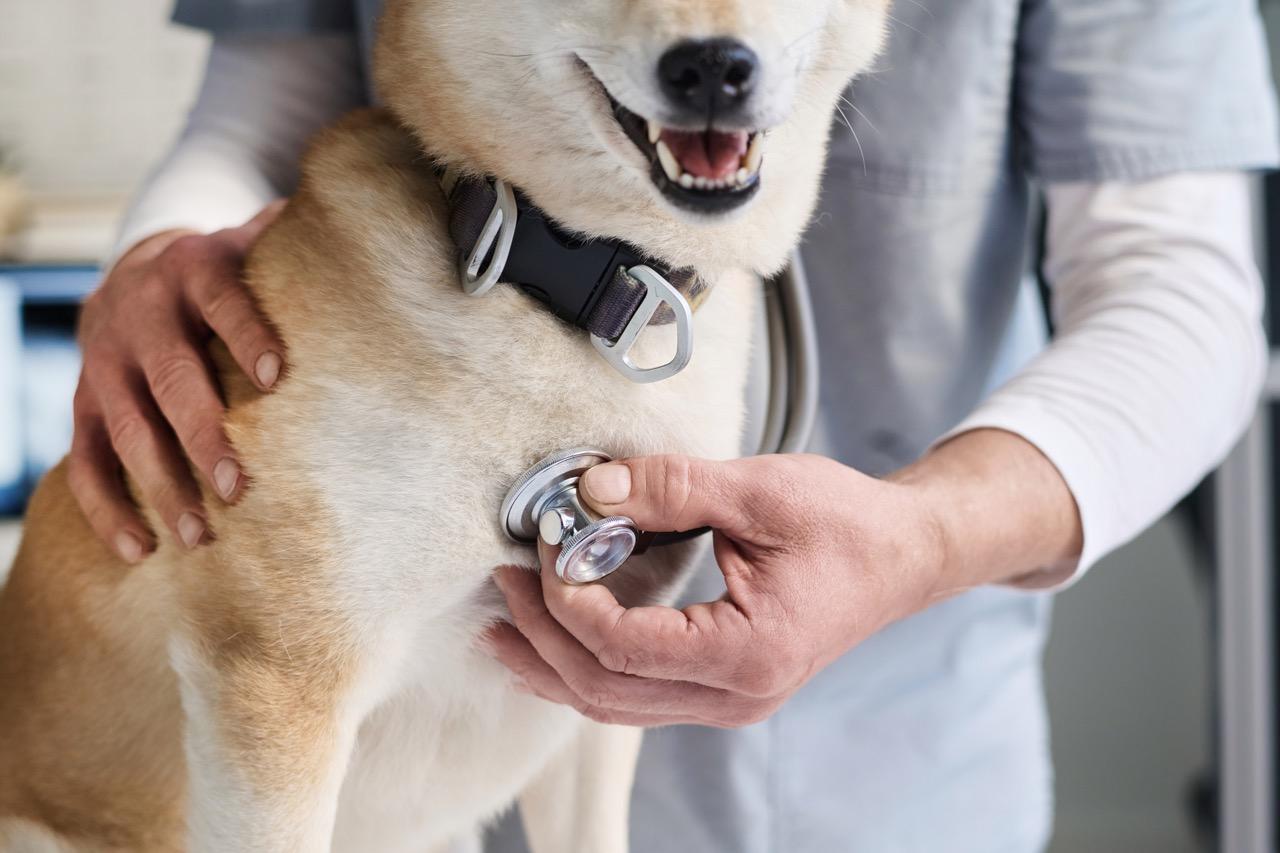
A heart murmur, a nagging cough, tiring easily, or a sudden fainting spell. A board-certified veterinary cardiologist has the advanced training and tools to find out exactly what is happening with your pet's heart, and to keep it beating strong for as long as possible.
Start with what you're seeing
What's Going on With Your Pet?
Pick the kind of problem that sounds familiar, and we'll show you the conditions a heart specialist treats.
A heart murmur or a diagnosed heart condition
Degenerative Valve Disease

Coughing, or fast or labored breathing
Congestive Heart Failure

Fainting, collapse, or sudden weakness
Arrhythmias

Weakness, fainting, or trouble breathing
Cardiomyopathy

A heart murmur in a puppy or kitten
Congenital Heart Defects

Education
What Is a Board-Certified Veterinary Cardiologist?
A board-certified veterinary cardiologist is a veterinarian who trained for years beyond vet school to specialize in one thing: the heart and circulatory system of animals. After earning their degree, they complete an internship, then a multi-year residency focused entirely on cardiology, publish original research, and pass a series of rigorous exams to earn the title Diplomate of the American College of Veterinary Internal Medicine (ACVIM) in Cardiology.
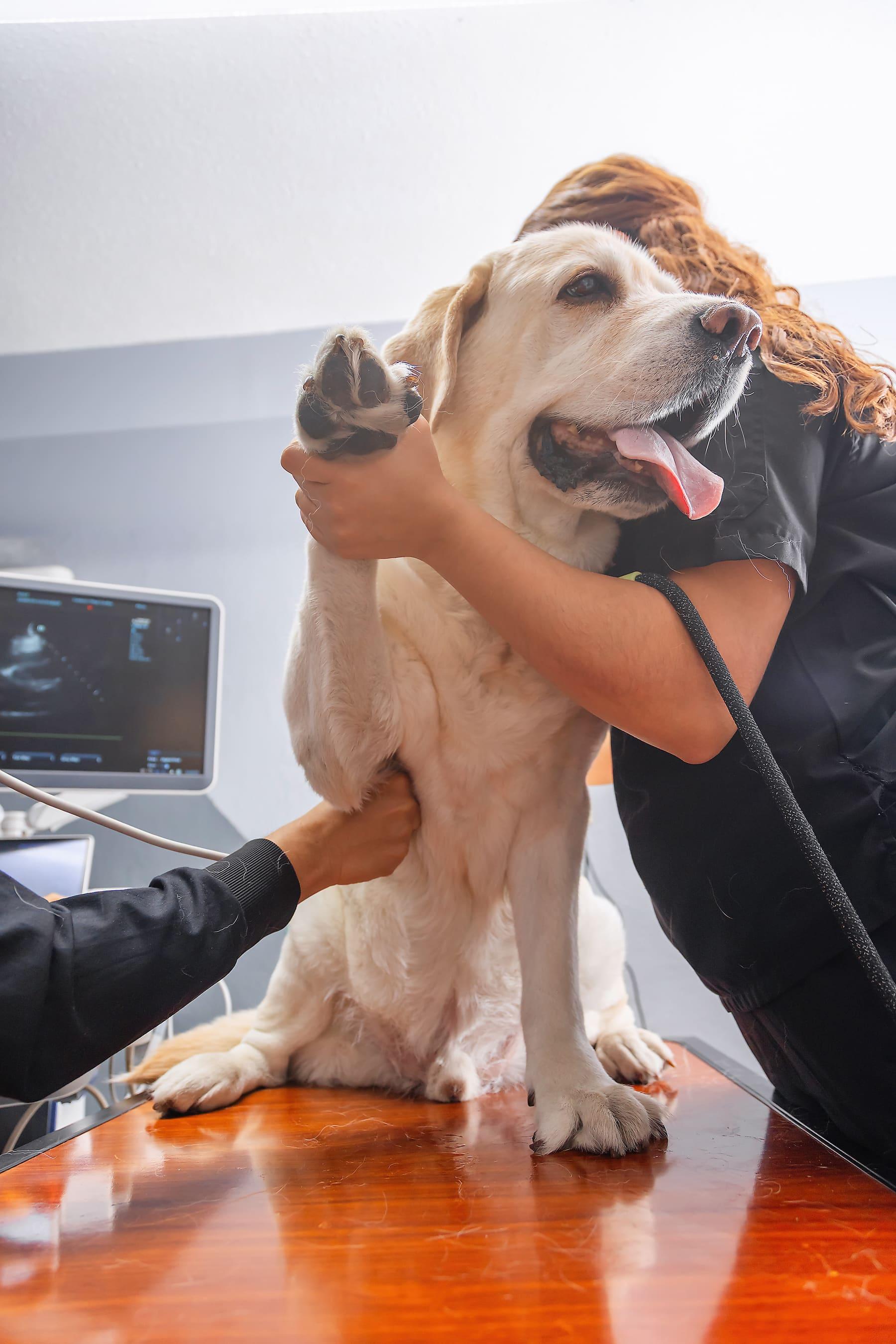
Cardiology is one of only six ACVIM specialties. Much of that training goes into echocardiography, the heart ultrasound that shows exactly how the heart is working, which takes real skill to perform and read accurately. Using that and other tools like ECG, a cardiologist diagnoses heart disease precisely and manages it with medication and, when needed, interventional procedures. When your pet's heart needs a closer look, this is who your vet turns to.
Why a Specialist Gets You Answers Faster
Hearing that your pet's heart may not be working right is scary. The good news is that heart disease in pets is often very manageable, and many pets go on to live full, happy lives for years with the right care.
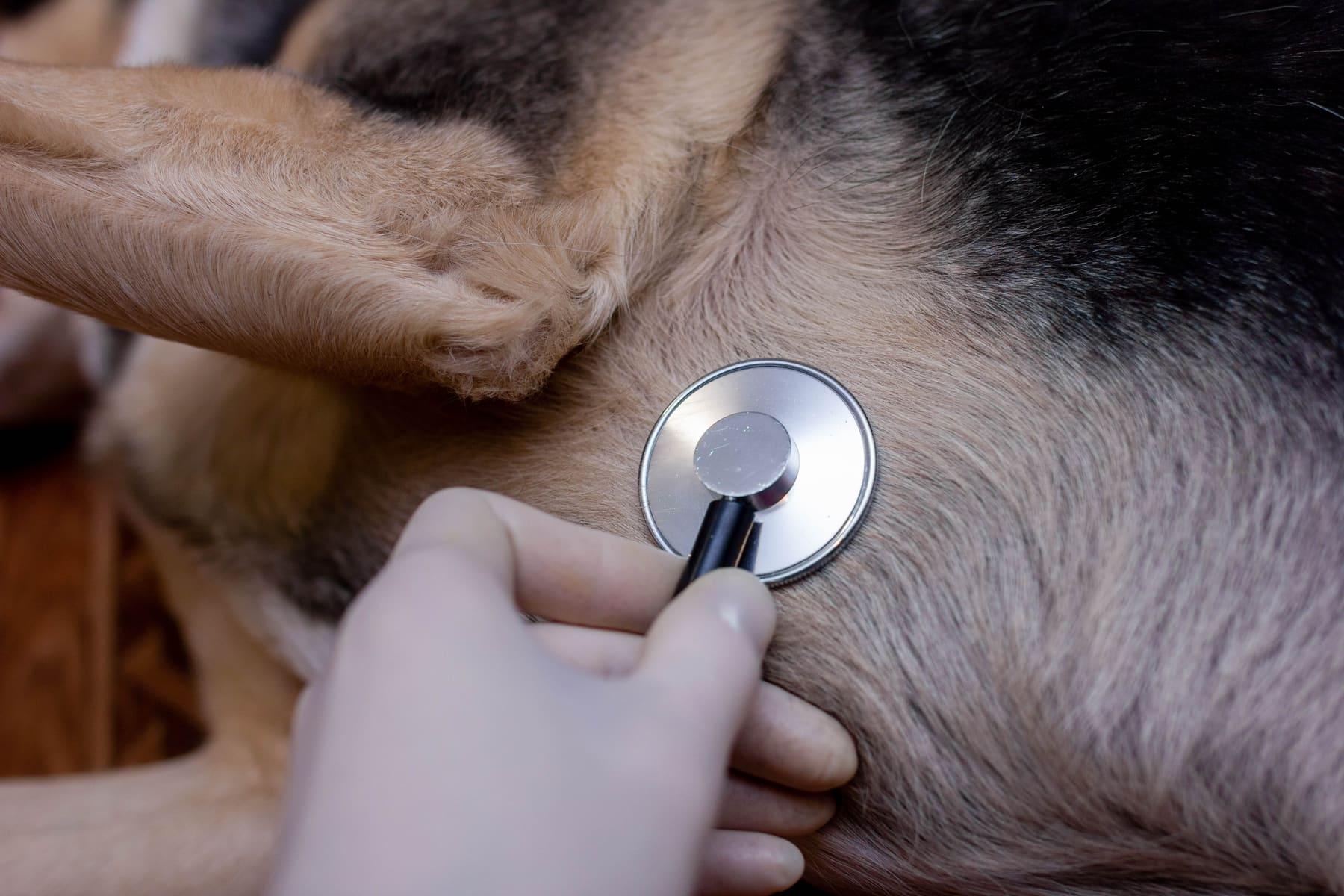
The key is knowing exactly what is going on, and that is where a cardiologist changes things. A general vet can hear a murmur, but a specialist can see the heart in motion with echocardiography and tell you precisely what is causing it, how serious it is, and whether it needs treatment yet. That precision matters, because starting the right medication at the right time, not too early and not too late, is often what protects your pet's heart and buys them more good years. It is the difference between guessing and knowing.

You're Not Leaving Your Primary Veterinarian
Seeing a specialist doesn't mean starting over. Your primary veterinarian stays your pet's main doctor, and often it is your vet who hears the murmur and sends you our way. We work as a team, share every finding, and coordinate your pet's heart medication with the rest of their care. It works the same way it does for people. You keep your regular doctor, you just see a cardiologist for the heart.

What Happens at Your First Visit
Your first appointment centers on getting a clear picture of your pet's heart. The cardiologist reviews the history and any records from your regular vet, listens carefully, and usually performs an echocardiogram and an ECG right there in the room to see how the heart is working. These tests are painless and your pet stays awake and with you. Most of the time you leave the same day knowing the diagnosis, how serious it is, and exactly what the plan is. It helps to bring any records, medications, and prior heart tests from your regular vet.

What It Costs, Up Front
Specialty care is an investment, and we would rather you know what to expect before anything happens. At your first visit you will get a clear estimate for the exam, imaging, and any recommended treatment, and nothing moves forward without your okay. Many pet insurance plans cover heart care, and our team can walk you through payment options if you need them. Catching heart disease early and treating it precisely often costs far less than an emergency later on.



Common Questions About Veterinary Cardiology
Has Your Vet Heard a Murmur or Recommended a Cardiologist?
Find a heart specialist near you.