

Specialized Services
Food allergy
Food allergy is one of the most misunderstood allergic reactions in dogs.
What it is
It is unfortunately further complicated by marketing and many unsubstantiated claims in the marketplace. In reality, food allergy is a fairly simple concept. Dogs and cats with food allergy have developed a hypersensitivity or allergic reaction to one or more of the ingredients they have eaten in the past, or are currently eating. If the offending protein(s) or carbohydrate(s) can be removed from the pet's diet, then progress should be seen, over a period of 6 to 8 or sometimes 12 weeks.
Since there is no reliable blood test or skin test for food allergy, the specific diagnosis relies on a properly performed elimination diet trial. An elimination diet trial is the complete elimination of all ingredients that an animal has eaten before since many of them could be a cause of food allergy. This must include the elimination of all treats, chews, bones, flavored heartworm or flea prevention since any of these may trigger an allergic response.
Food allergy in dogs and cats can also be complicated by secondary infections, such as bacterial or yeast infections. This can make the diagnosis more challenging since these infections can be itchy on their own and may prevent progress from being seen even when an elimination diet trial is properly performed.
The choice of diets used to perform an elimination diet trial is critical since all previously fed ingredients must be avoided. In addition, veterinarians and pet owners must also be sure to avoid ingredients that may cross react or diets with cross contamination of ingredients. Cross reaction occurs when two ingredients are similar enough in structure that allergy to one of them also results in reaction to the other. Examples of documented cross reaction include those seen with duck and chicken. Cross contamination is the contamination of a particular diet with ingredients that are not listed on the label. Multiple studies have shown this to be a problem with many over-the-counter dog foods.
While it is tempting for a pet owner to perform multiple diet changes to try to identify food allergy, it is preferable to do this only after consulting with a veterinarian or veterinary dermatologist in order to have a comprehensive approach that is most likely to have success.
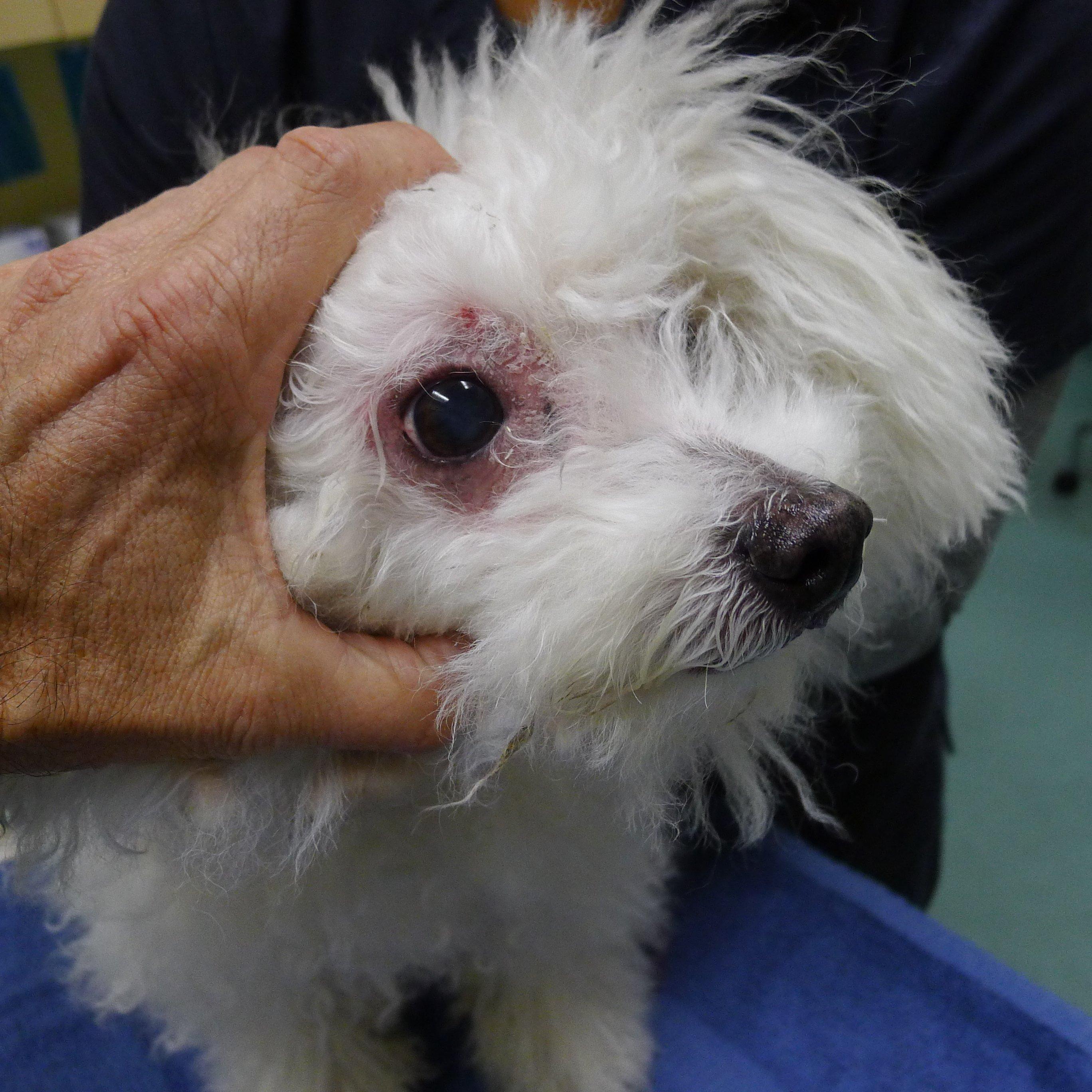
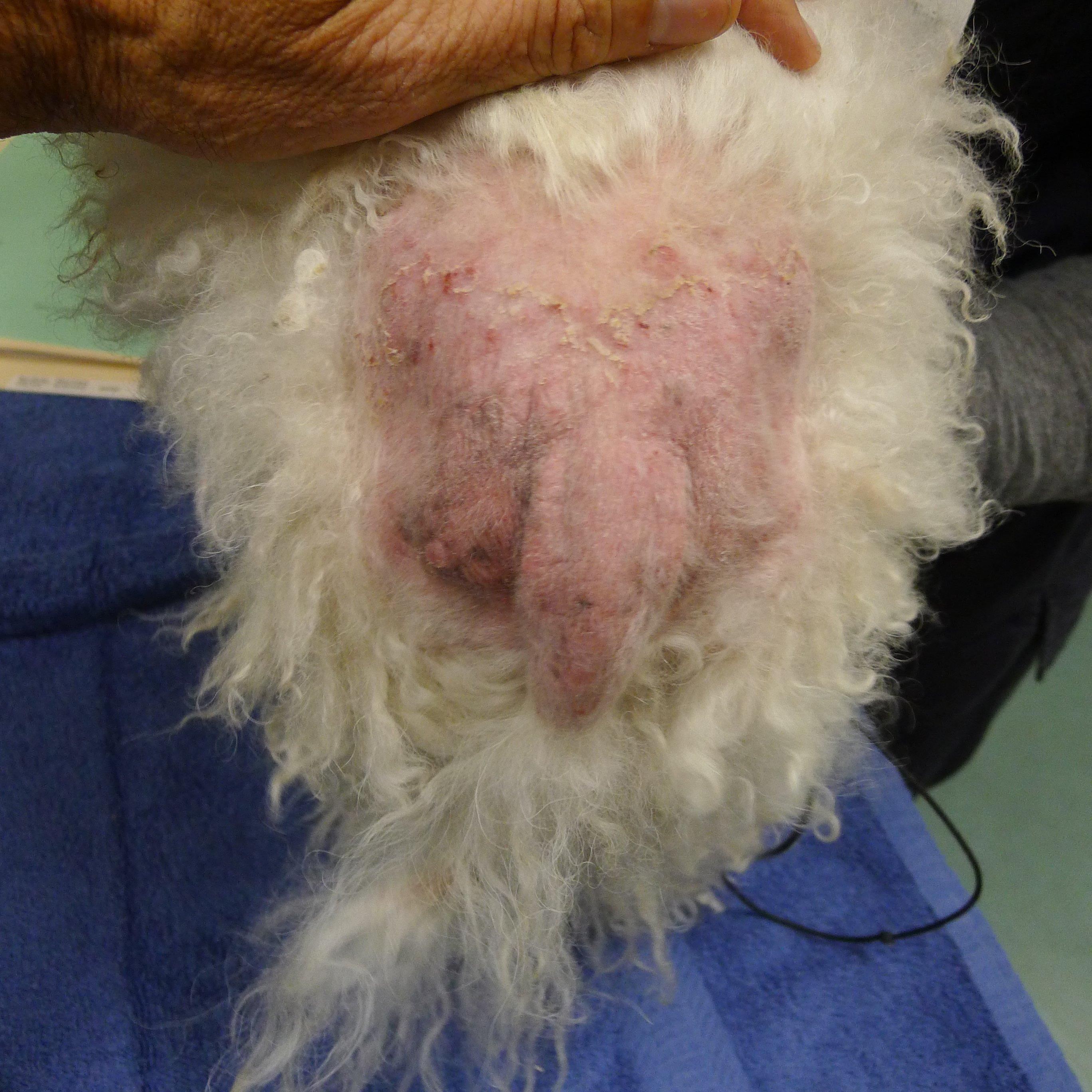
K9 food allergy
K9 Food allergy 2
Fel Food allergy

Signs and conditions this addresses
Conditions we treat
Common questions
Ready to help your pet?
Request an appointment and our team will guide you through the next steps.