
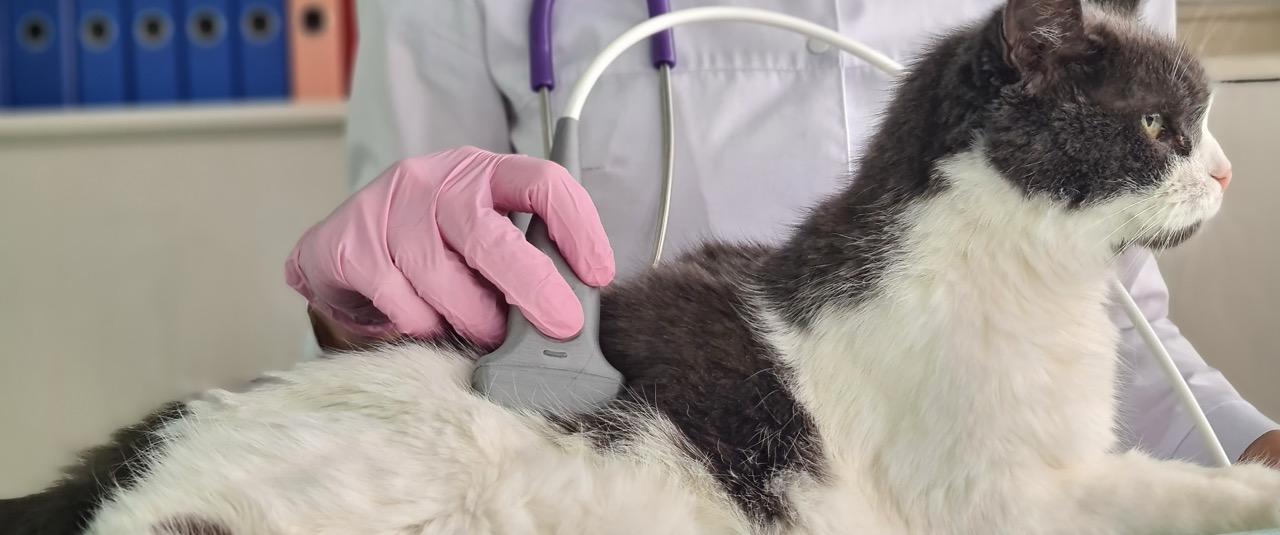
Internal Medicine for Pets
Ongoing vomiting or diarrhea, drinking and peeing more than usual, unexplained weight loss, or an illness no one can quite pin down. A board-certified internal medicine specialist has the advanced training and tools to connect the clues and get your pet a real diagnosis.
Start with what you're seeing
What's Going on With Your Pet?
Pick the kind of problem that sounds familiar, and we'll show you the conditions an internal medicine specialist treats.
Ongoing vomiting, diarrhea, or belly trouble
Chronic GI Disease (IBD)

Drinking and peeing more than usual
Kidney / Urinary Disease
A lasting cough or trouble breathing
Respiratory Disease

Weakness, pale gums, or ongoing illness
Immune-Mediated Disease

Chronic vomiting / diarrhea / weight loss

Drinking more, appetite changes, or weight changes
Endocrine Disease

A persistent fever or unexplained illness
Fever or Infectious Disease
Education
What Is a Board-Certified Internal Medicine Specialist?
A board-certified internal medicine specialist is a veterinarian who trained for years beyond vet school to become an expert in the diseases inside the body: the kidneys, liver, gut, hormones, blood, and immune system. After earning their degree, they complete an internship, then a multi-year residency that spans every internal system, publish original research, and pass a series of rigorous exams to earn the title Diplomate of the American College of Veterinary Internal Medicine (ACVIM) in Small Animal Internal Medicine.
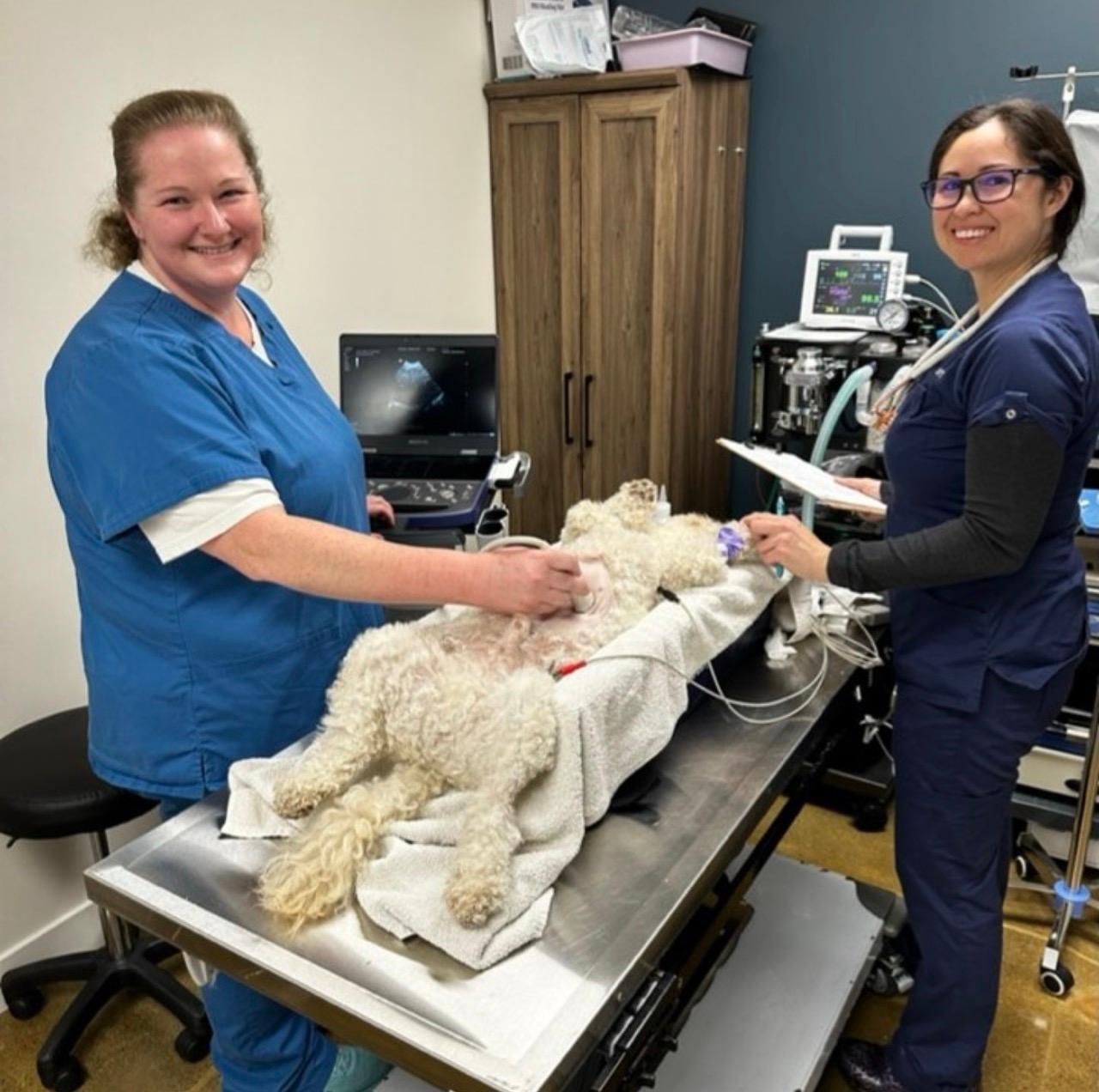
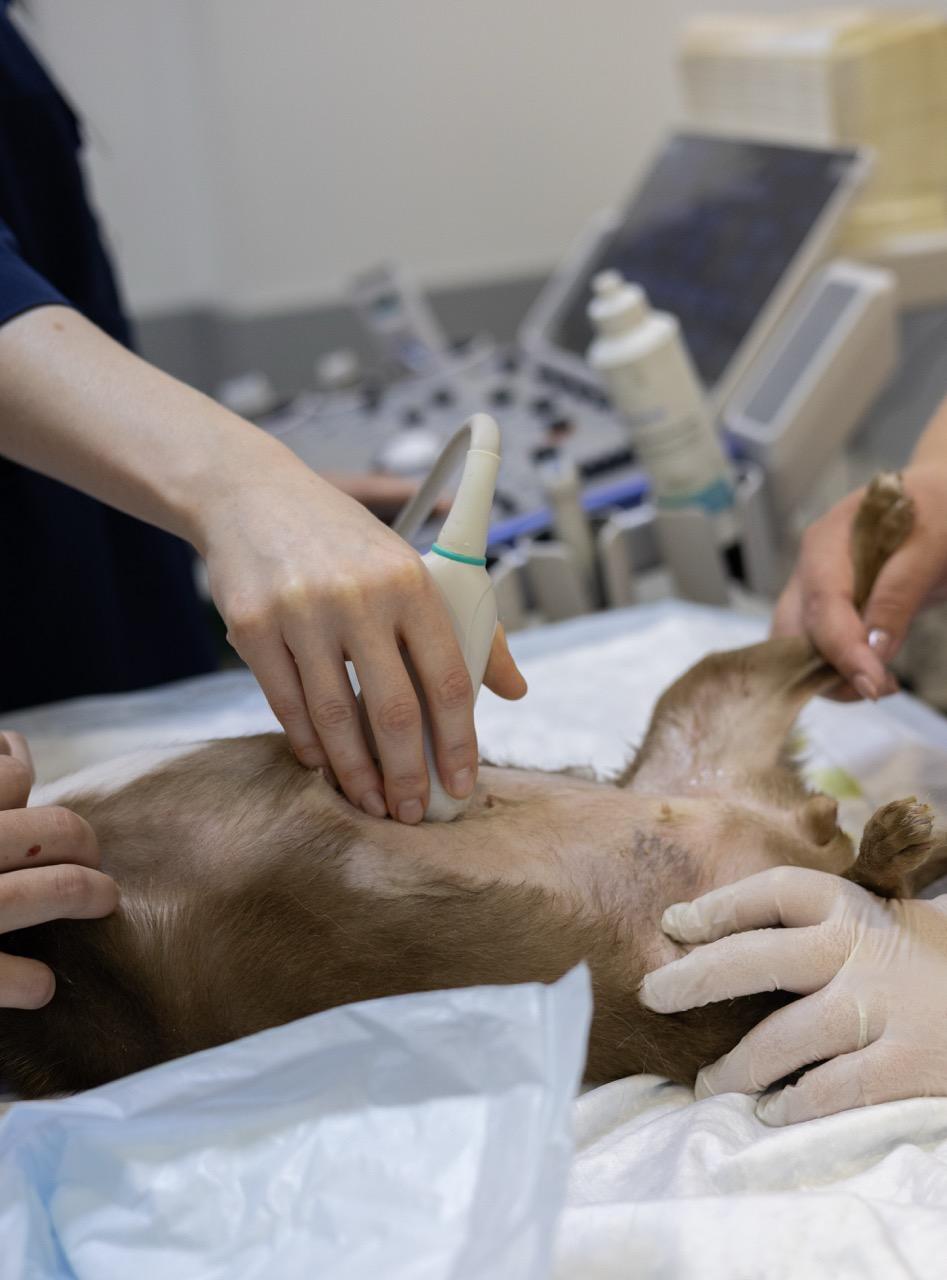
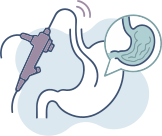
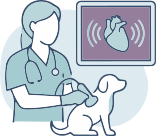
Internal medicine is one of only six ACVIM specialties. These are the specialists who investigate hard-to-diagnose problems using advanced imaging, ultrasound, endoscopy, and detailed lab work, and who manage complex, chronic conditions over the long term. When a case does not add up, this is who your vet turns to.
Why a Specialist Gets You Answers Faster
When a pet is sick and no one can say why, it is exhausting. Test after test, one treatment after another, and still no clear answer. That is exactly the situation internal medicine specialists are trained for.
A general vet has to know a little about everything. An internist goes deep on the systems inside the body and spends years learning how they connect. That matters, because the hardest cases are the ones where the clues are scattered: a little off here, an odd lab value there, a symptom that does not fit. An internist pulls those threads together into a single diagnosis, with imaging and lab tools most general practices do not have on site. Instead of treating one symptom at a time, they find the underlying cause, which often means a faster path to the right treatment and less money spent chasing the wrong ones.

You're Not Leaving Your Primary Veterinarian
Seeing a specialist doesn't mean starting over. Think of it as an extension of your regular vet, not a replacement. Your primary veterinarian, the internist, and you form a team, sometimes called the triad of care. We work from the history and tests your vet has already gathered, keep them updated, and hand care back once your pet is stable. It works the same way it does for people. You keep your regular doctor, you just add a specialist for the harder questions.

What Happens at Your First Visit
Your first appointment is a deep look at everything going on with your pet. The internist reviews the full history and every test your regular vet has run, examines your pet, and often recommends targeted next steps like an ultrasound, endoscopy, or specific bloodwork to fill in the missing pieces. The goal is to stop guessing and start narrowing things down. You will leave understanding what the specialist suspects and what the plan is to confirm it. It helps to bring all records, imaging, and lab results from your regular vet.

What It Costs, Up Front
Specialty care is an investment, and we would rather you know what to expect before anything happens. At your first visit you will get a clear estimate for any recommended testing or treatment, and nothing moves forward without your okay. Many pet insurance plans cover internal medicine care, and our team can walk you through payment options if you need them. Reaching the right diagnosis sooner often costs less than months of tests and treatments that never quite solve the problem.
Services
Advanced Diagnostics & Ongoing Care

Looking for something else?
See all of our services.
Common Questions About Veterinary Internal Medicine
Does Your Pet Need Answers for a Complex Illness?
Find an internal medicine specialist near you.