

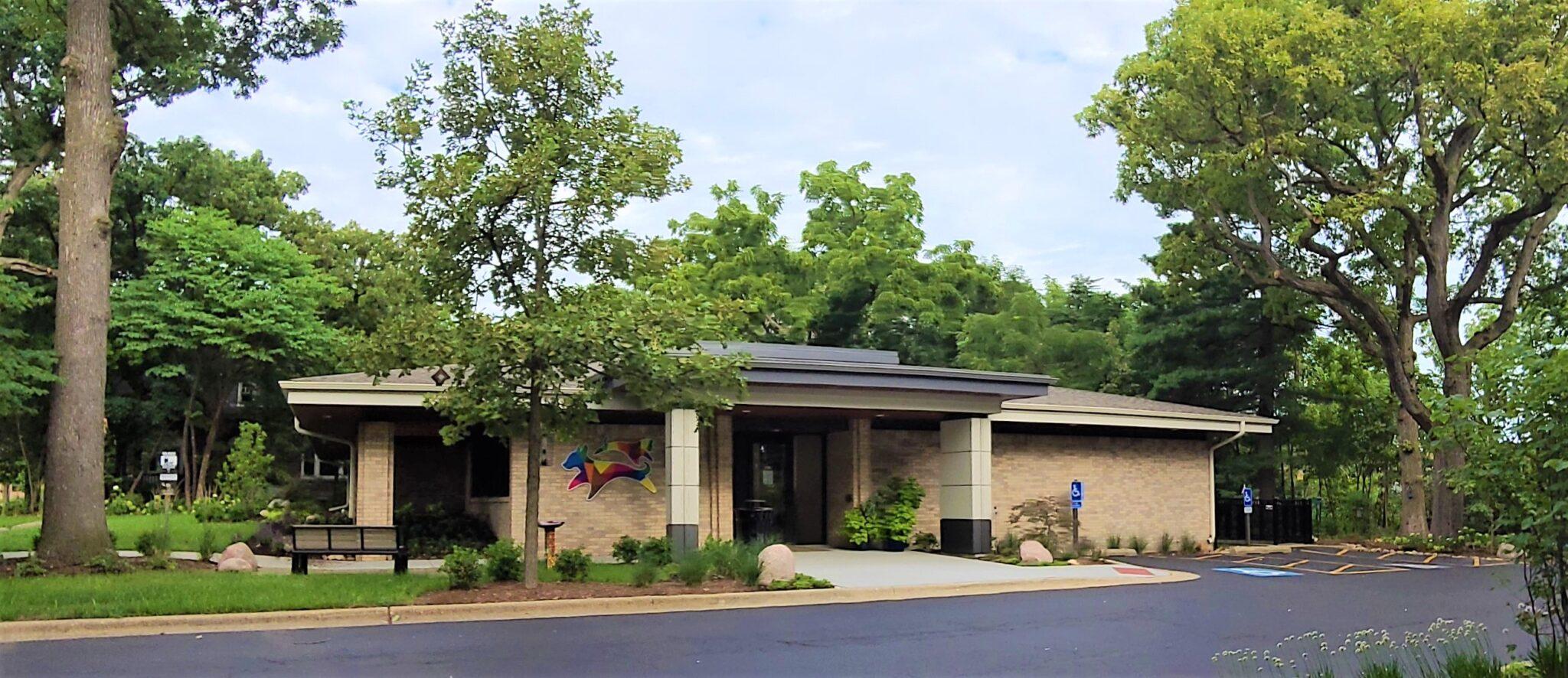

Great Lakes Veterinary Dermatology
Aurora, IL · Board-Certified Dentistry
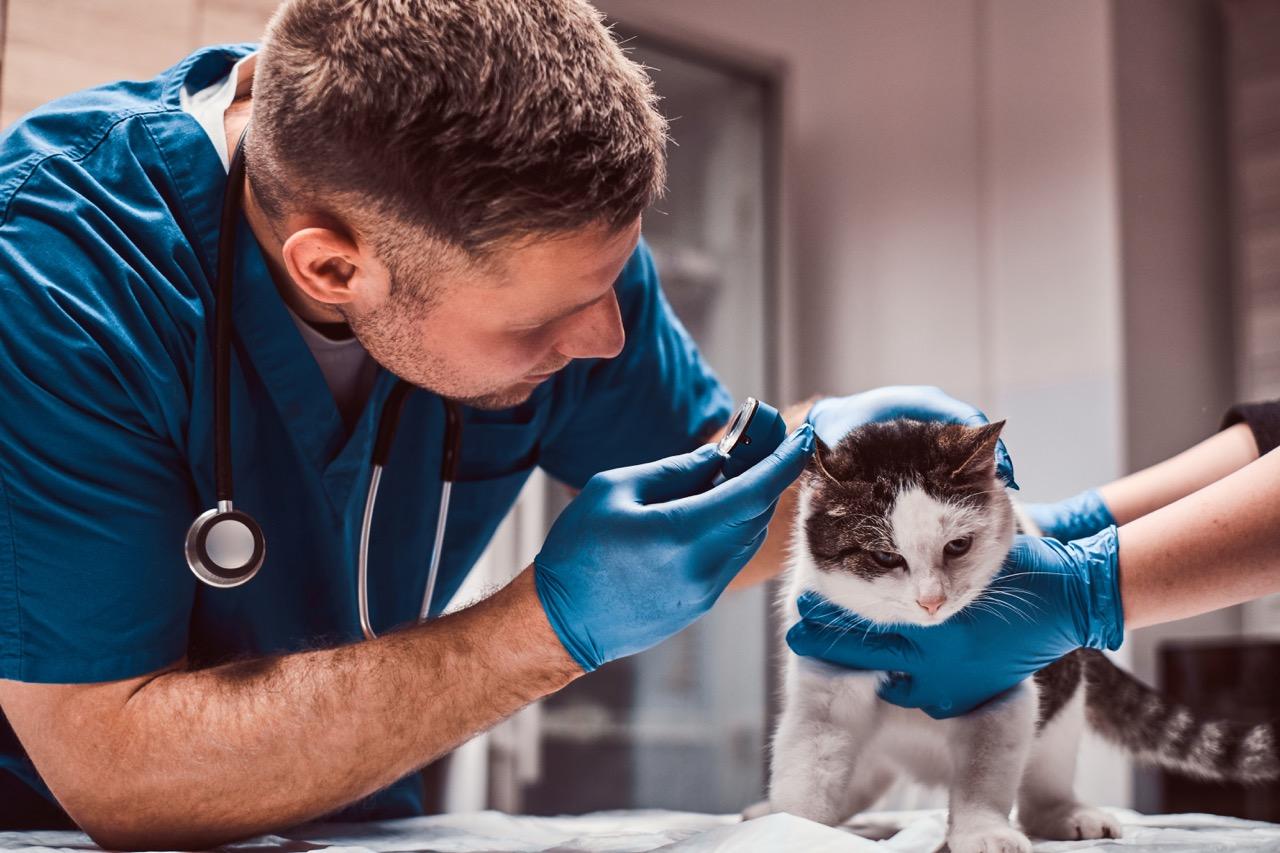
Great Lakes Veterinary Dermatology specializes in the treatment and management of all skin disorders affecting dogs and cats, including allergy treatment, immune-mediated disorders, and ear and skin infections.
Services at This Location
Anesthesia
Anesthesia is a state of unconsciousness that is needed to keep your pet still and calm during an oral assessment, teeth cleaning, dental x-rays, and treatment.Key factsQuick lookLearn moreWe would encourage pet owners to familiarize themselves with our Keys to Safe Anesthesia. Every dental patient will receive a physical examination, pre-anesthetic testing, and an individualized anesthetic protocol.Our doctors have had advanced training in anesthesia and have an experienced veterinary nursing staff that has specialized training in anesthesia, support and patient recovery. We refer and anesthetize many patients with heart, kidney, and liver conditions.Moreover, we follow the American Animal Hospital Association Anesthetic Guidelines, American Association of Feline Practitioners Anesthetic Guidelines, and regularly consult with veterinary anesthesiologists to remain current and continue to deliver safe procedures with patient comfort and recovery in mind.More Resource

Dental X-Ray
Dental x-ray is an essential tool in the diagnosis and treatment planning of oral conditions in your pet as 60% of the tooth lies under the gums.Key factsQUICK LOOK AT DENTAL x-RAYThe canine tooth below illustrates how much more detail can be obtained with a dental x-ray vs. standard x-ray system.Learn moreDogs have 42 teeth and cats have 30 teeth. Usually, 8 to 15 x-ray images are obtained in order to effectively access oral condition. x-rays will allow us to possibly discover:
3D Imaging – Cone Beam CT
Key factsQUICK LOOK AT 3d imagingLearn moreThe Veterinary Dental Center utilizes CBCT imaging for the majority of their patients. It provides the highest quality imaging which can be evaluated in multiple planes, with unlimited contrast and assessed using 3D maxillofacial reconstruction. It routinely identifies many oral conditions that may not be visible on dental radiograph (x-rays) as well as reduces time under anesthesia.Our CBCT unit, VetCAT, is an FDA approved imaging tool that is mobile, allowing us to perform a scan in 40 seconds tableside without moving the patient. This optimal workflow minimizes anesthetic time, allows the doctor to evaluate the scan/images in the treatment room and efficiently communicate to the pet’s dental team the diagnosis and treatment plan for the pet.
Teeth Cleaning
Professional teeth cleaning is an opportunity to perform a thorough examination of your pet’s oral health.Key factsQuick lookLearn moreDental evaluation for your pets are much more involved than what we receive from our dentist for the following reasons:Many veterinary dentists advocate a 10-12 step approach to each dental procedure. We have grouped similar steps and provide a 6-step approach to each dental procedure.Below are the six steps needed to provide comprehensive oral health assessment/treatment plan no matter how nominal the dental disease may appear.
Surgical Extraction
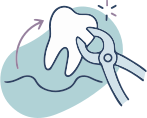
Surgical extraction is the preferred technique for the removal of a damaged or infected tooth, as it minimizes complications and offers optimal healing.Key factsQuick lookLearn moreMany of the teeth that need extraction are not loose or mobile. These include teeth that are fractured or infected, teeth that have mild to moderate bone loss, teeth associated with an oral tumor, and impacted teeth. Steps of a surgical approach to extractions include:Root canal therapy is a less invasive and less painful option to save fractured or discolored teeth than surgical extraction.
Root Canal Therapy
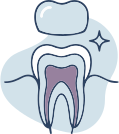
Root canal therapy is a far less invasive and painful option to save fractured or discolored teeth than surgical extraction.Key factsQuick lookLearn moreRoot canal therapy is a far less invasive and painful option for fractured tooth or discolored tooth than surgical extraction. The goal is to treat the tooth before it becomes infected or painful. Moreover, root canal therapy allows your pet to retain the tooth for functions like grasping/retrieving or chewing.Working dogs (police, herding, hunting, obedience) obviously need their teeth for their “job” or “use”. Many receive root canal therapy and most are supported with a titanium crown when a tooth or teeth are damaged. Root canal therapy is also the preferred treatment for our zoo patients.
Oral Tumor Diagnosis
Some oral growths (tooth infection, cyst, impacted tooth) may be mistaken for an oral tumor. We can help properly diagnose an oral tumor so that it can be promptly treated.Key factsQuick lookLearn moreEarly detection and diagnosis of an oral tumor is always our goal. However, many growths grow undetected as few pets will show signs or symptoms. Some oral tumors are noted when the veterinarian performs your pet’s annual examination, while others are noted during a pet’s teeth cleaning procedure.Oral tumors can represent a benign or malignant condition:Staging is the diagnostic testing that is performed for malignant tumors. It is used to determine if the tumor has spread to other parts of the body (lymph nodes, lungs, liver/kidneys). Common staging tests include biopsy or cytology of local lymph nodes, chest x-rays, or abdominal ultrasound.Surgical removal is the preferred treatment for the majority of oral tumors. Based on the tumor type and imaging (3D Imaging – Cone Beam CT) findings, the removal of the tumor will be performed with a predetermined amount of adjacent normal tissue. It is likely that this oral surgery will include one or more teeth. We perform many of these procedures and will share how patients will eat, adapt and look after surgery.Radiation or Chemotherapy has limited uses in malignant oral tumors. Sometimes these therapies can be used in conjunction with surgery or to relieve pain and slow the progression of the disease. We may refer you to a Veterinary Oncologist for further discussion on treatment options.
Take a Look Inside
Doctors at this Location
Our doctors
Location & Hours
Resources
Explore Veterinary Dental Center
Online Pharmacy
Elimination Diets
New Client & Patient Form
Refer a Patient to Veterinary Dental Center
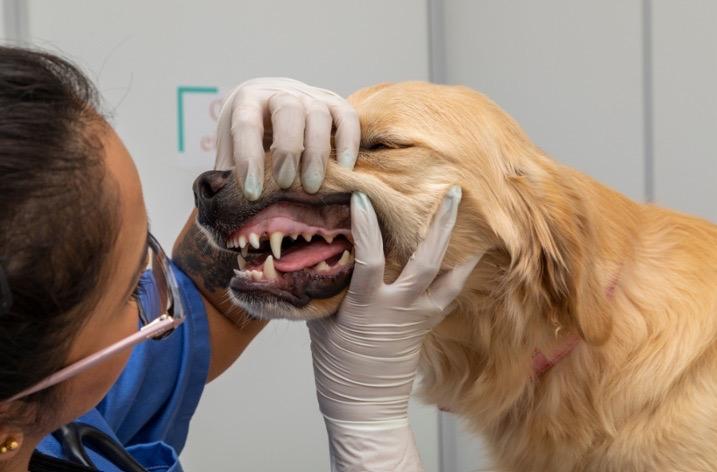
Send your case directly to Veterinary Dental Center and stay in the loop on your patient's care.
Join the Network
Interested in joining the fastest-growing specialty network? See what AOSN offers.