
Cancer Care for Pets
A new lump, swollen glands, unexplained weight loss, or a recent cancer diagnosis. A board-certified veterinary oncologist has the training and tools to find out exactly what you are facing, and to guide care built around your pet's comfort and quality of life.
Start with what you're seeing
What's Going on With Your Pet?
Pick the kind of problem that sounds familiar, and we'll show you the cancers an oncology specialist treats.
Found a lump, bump, or mass
Swollen glands, weight loss, or just not right
Lymphoma

Bone pain, limping, or a swelling on a limb
Osteosarcoma
Diagnosed with cancer / needs chemotherapy

What is a specialist?
What Is a Board-Certified Veterinary Oncologist?
A board-certified veterinary oncologist is a veterinarian who trained for years beyond vet school to specialize in one thing: cancer in animals. After earning their degree, they complete an internship, then a multi-year residency focused entirely on oncology, publish original research, and pass a series of demanding exams to earn the title Diplomate of the American College of Veterinary Internal Medicine (ACVIM) in Oncology.
It is a small and highly specialized field, with only a few hundred board-certified veterinary oncologists in the world. They diagnose and stage cancer accurately, then design a plan around your goals, whether that means chemotherapy, immunotherapy, working alongside a surgeon, or simply keeping your pet comfortable. Every plan is built around one question: what gives your pet the best quality of life.
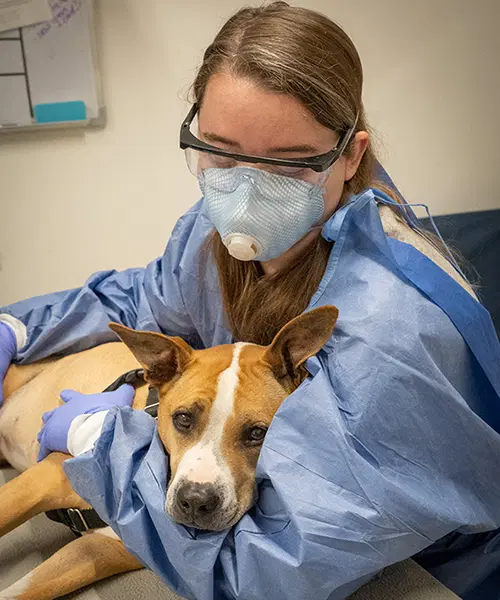
What a Veterinary Oncologist Can Do for Your Pet
Hearing that your pet may have cancer is frightening, and a lot of that fear comes from what we know about cancer in people. Pets are different. The goal of veterinary cancer care is not to fight at any cost. It is to give your pet the best possible quality of life for as long as possible, on terms you are comfortable with.
Two things surprise most families. First, seeing an oncologist does not commit you to treatment. A specialist's job is to explain exactly what your pet has, lay out the options, and help you choose what is right for your pet and your family, even if that choice is comfort care rather than treatment. Second, pets tend to handle treatment far better than people do. Most pets on chemotherapy keep eating, playing, and feeling like themselves, and serious side effects are uncommon. A board-certified oncologist has the training and experience to get the diagnosis right and to keep your pet comfortable every step of the way.
You're Not Leaving Your Primary Veterinarian
Seeing a specialist doesn't mean starting over. Your primary veterinarian stays part of the team. We work closely with them to coordinate your pet's care, keep them updated at every step, and share the plan so everyone is aligned.

What Happens at Your First Visit
Your first appointment is a conversation as much as an exam. The oncologist reviews your pet's history and any tests from your regular vet, examines your pet, and may recommend bloodwork, imaging, or a sample to confirm what you are dealing with.

What It Costs, Up Front
Cancer care is an investment, and we would rather you know what to expect before making any decisions. At your first visit you will get a clear picture of what testing or treatment would involve and what it costs.
Services
Cancer Care and Treatment Options

Looking for something else?
See all of our services.
Common Questions About Veterinary Oncology
Has Your Pet Been Diagnosed With Cancer?
Find a cancer care specialist near you.