
Ophthalmology for Pets
A red, cloudy, or painful eye. A pet that's started bumping into furniture. A Board-Certified Veterinary Ophthalmologist finds the cause and acts fast to protect your pet's sight.
Start with what you're seeing
What's Going on With Your Pet's Eyes?
Pick the kind of problem that sounds familiar, and we'll show you the conditions a Board-Certified Veterinary Ophthalmologist treats.
Red, cloudy, or painful eye / squinting / discharge
Cloudy eye or vision loss

Lids that irritate the eye
Dryness, redness or thick discharge

Problems with the eye's surface
Education
What Is a Board-Certified Veterinary Ophthalmologist?
A Board-Certified Veterinary Ophthalmologist is a veterinarian who trained for years beyond veterinary school to specialize in one thing: the eyes and vision of animals. After earning their veterinary degree, they complete at least a year of clinical internship, then a three-year Residency program devoted entirely to ophthalmology, carry out original research, and pass a demanding multi-day written and surgical exam to earn the title Diplomate of the American College of Veterinary Ophthalmologists (ACVO).
It is a small and highly specialized field. There are only about 650 Board-Certified Veterinary Ophthalmologists in the entire world, and they are trained in delicate eye surgery, from the surface of the cornea to the structures deep inside the eye. When your regular veterinarian has done everything they can, this is who they turn to.
Why a Board-Certified Veterinary Ophthalmologist Gets You Answers Faster
In human medicine, no one would treat a serious eye problem anywhere but with an eye specialist. It works the same way for pets. Most people just don't realize the option is there.
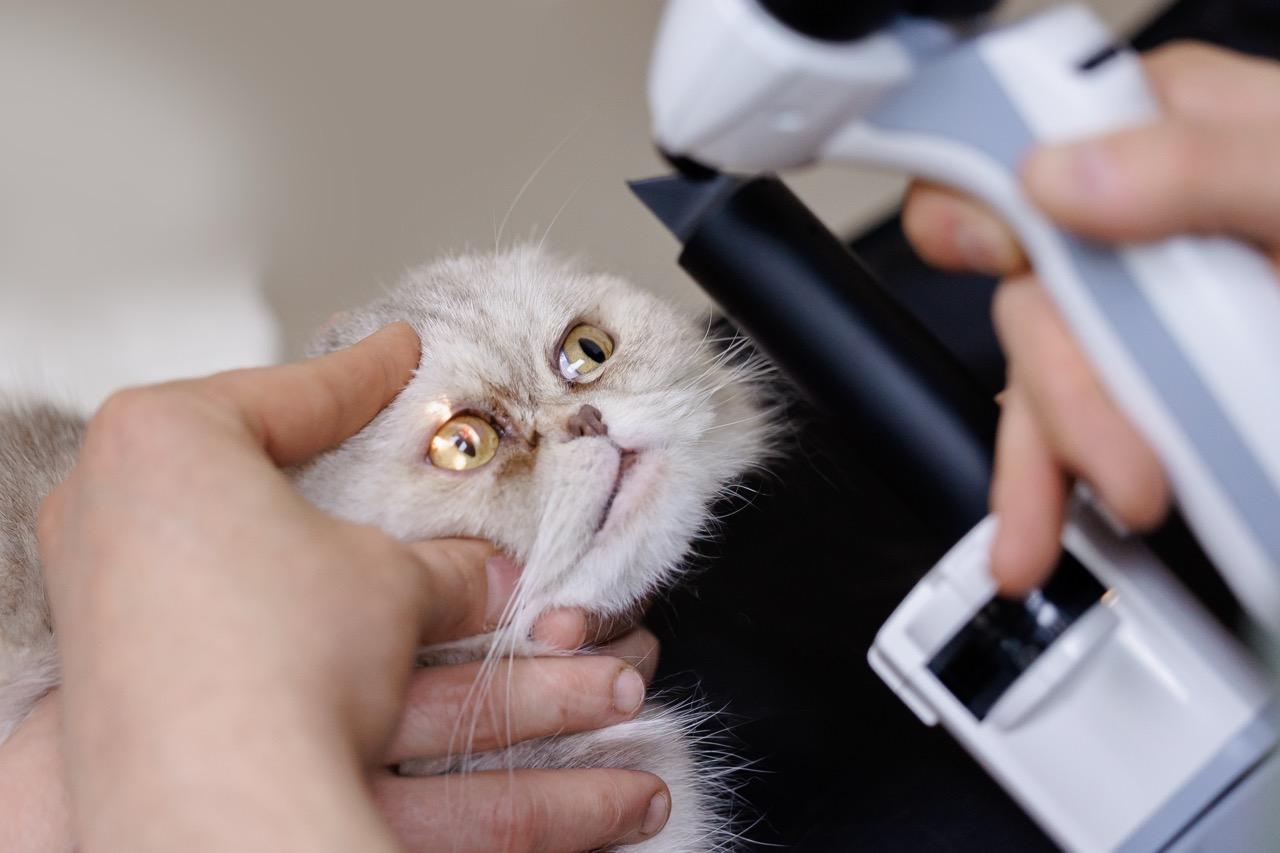
Eyes are unforgiving. Some conditions can go from irritating to sight-threatening in a matter of days, and the difference between saving vision and losing it often comes down to getting the right diagnosis quickly. A Board-Certified Veterinary Ophthalmologist has spent years focused on the eye alone, with microscopes, pressure testing, and imaging that general veterinary practices don't have on site. That focus is why they can pinpoint exactly what is happening on the surface of the eye or deep inside it, and treat the real cause before more damage is done. The same way you would want an experienced surgeon for your own eye, your pet deserves one for theirs.

You're Not Leaving Your Primary Veterinarian
Seeing a Board-Certified Veterinary Ophthalmologist doesn't mean starting over. Your primary veterinarian stays your pet's main doctor for everything else. We focus on the eyes, keep your veterinarian in the loop after every visit, and hand care back once things are stable. It works the same way it does for people. You keep your regular doctor, you just see an eye specialist for the specific problem.

What Happens at Your First Visit
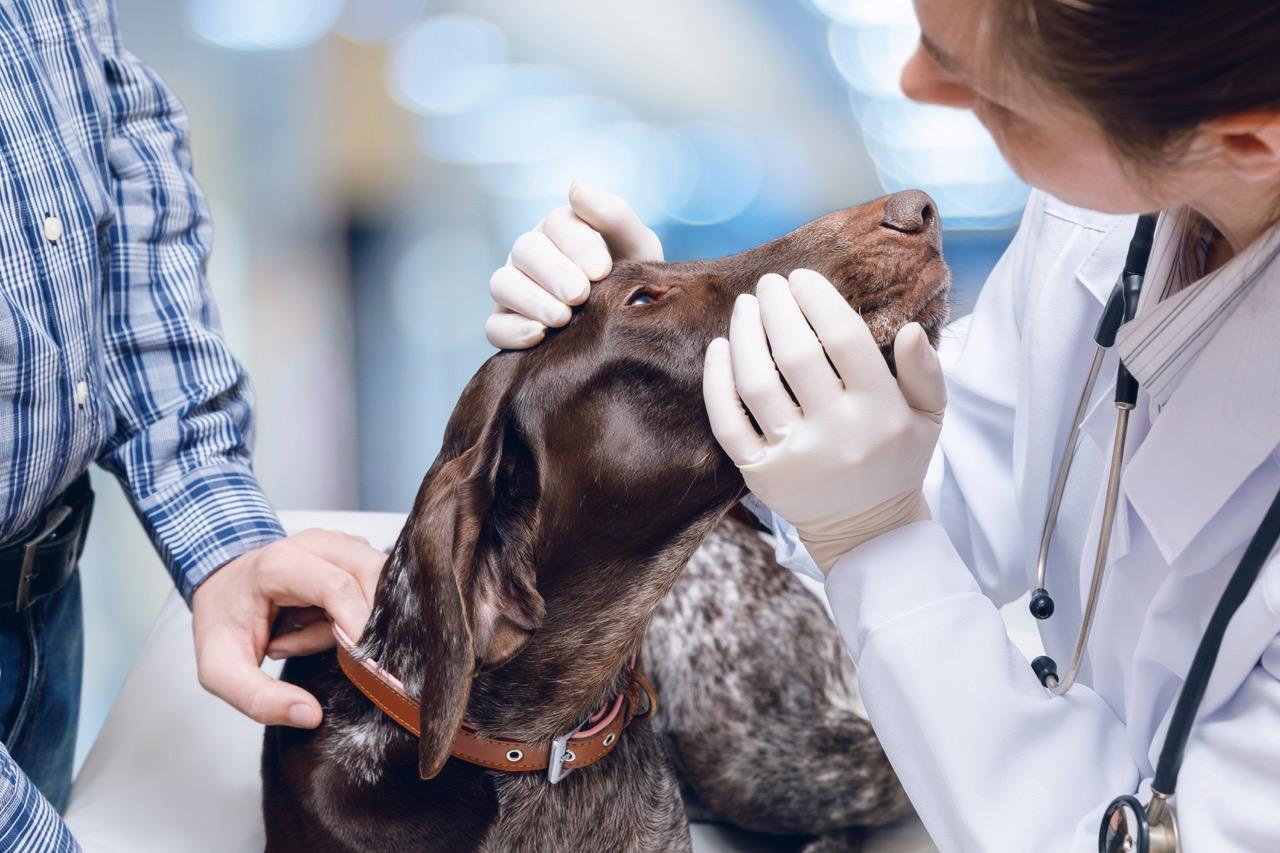
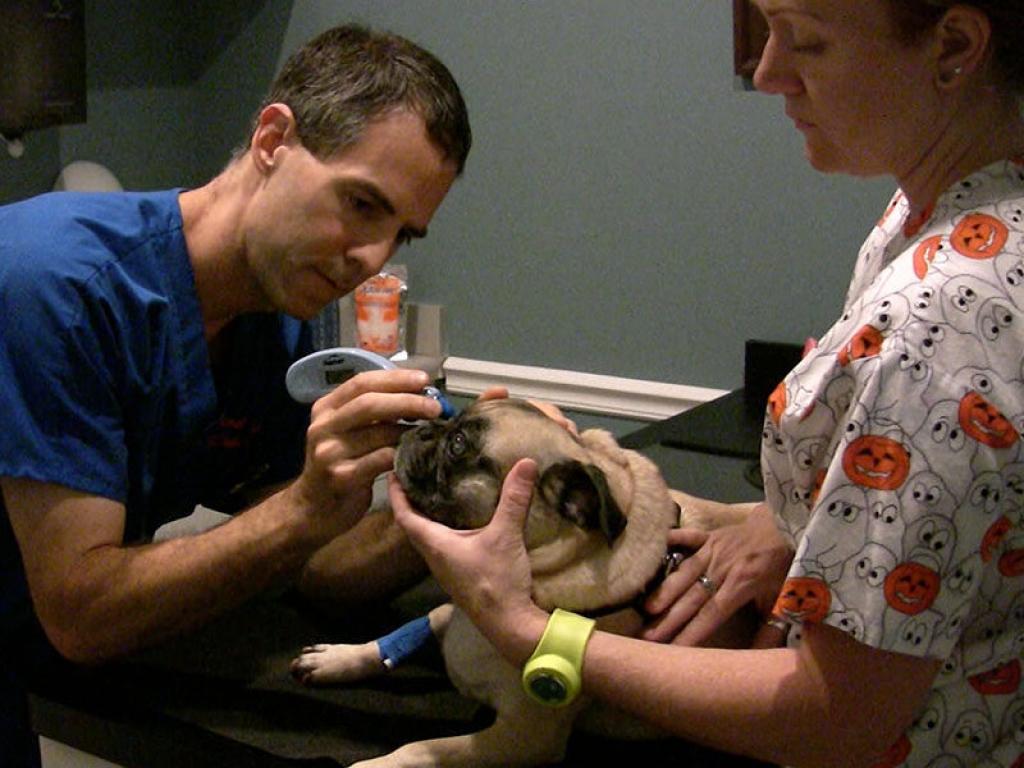
Your first appointment is a thorough eye exam. The Board-Certified Veterinary Ophthalmologist checks vision, measures the pressure inside the eye, and looks closely at both the surface and the structures deep inside using specialized equipment, while you talk through what you have noticed at home. Most of the time you leave the same day with a diagnosis and a treatment plan you can start right away. The exam itself is gentle and your pet stays with you throughout. It helps to bring any eye medications your pet is currently using.

What It Costs, Up Front
Specialty care is an investment, and we would rather you know what to expect before anything happens. At your first visit you will get a clear estimate for any recommended testing, treatment, or surgery, and nothing moves forward without your okay. Many pet insurance plans cover eye care, and our team can walk you through payment options if you need them. When sight is on the line, getting to the right answer quickly is often what protects both your pet's vision and your costs down the road.
Services
Advanced Eye Care & Surgery


Looking for something else?
See all of our services.
Common Questions About Veterinary Ophthalmology
When your pet has a red, cloudy, or painful eye, is squinting or pawing at it, has thick discharge, or seems to be bumping into things or losing sight. Eye problems can worsen quickly, so it is worth having them checked sooner rather than later.
Worried About Your Pet's Eyes?
Find a Board-Certified Veterinary Ophthalmologist near you.