
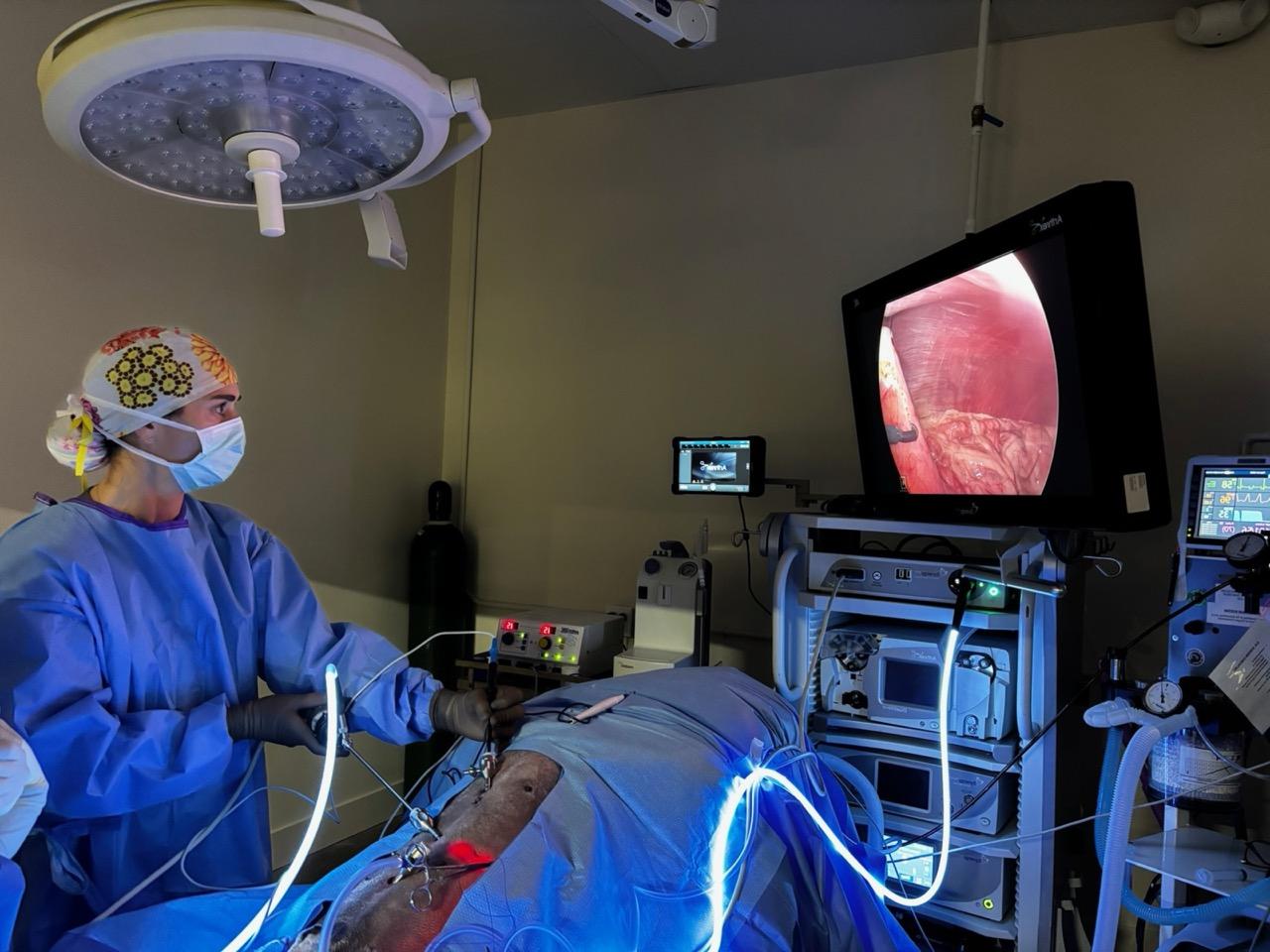
Surgery for Pets
A limp that won't quit. Noisy breathing. A lump that needs removing. A sudden emergency. A Board-Certified Veterinary Surgeon has the advanced training and the full surgical team to operate safely and get your pet back to themselves.
Start with what you're seeing
What's Going on With Your Pet?
Pick the kind of problem that sounds familiar, and we'll show you the conditions a Board-Certified Veterinary Surgeon treats.
Limping / lameness / difficulty rising
Stiffness or difficulty rising
Elbow & Hip Dysplasia
Noisy breathing / snoring / exercise intolerance

Found a lump, bump, or mass

Noisy breathing or voice changes
Laryngeal Paralysis
Severe, recurring ear problems
End-Stage Ear Disease

Sudden weakness or collapse
Splenic Mass / Hemoabdomen

A new or changing lump
Soft-Tissue Masses & Tumors

Swollen belly or unproductive retching
GDV (Bloat)

A broken bone or serious injury
Fractures & Trauma

Education
What Is a Board-Certified Veterinary Surgeon?
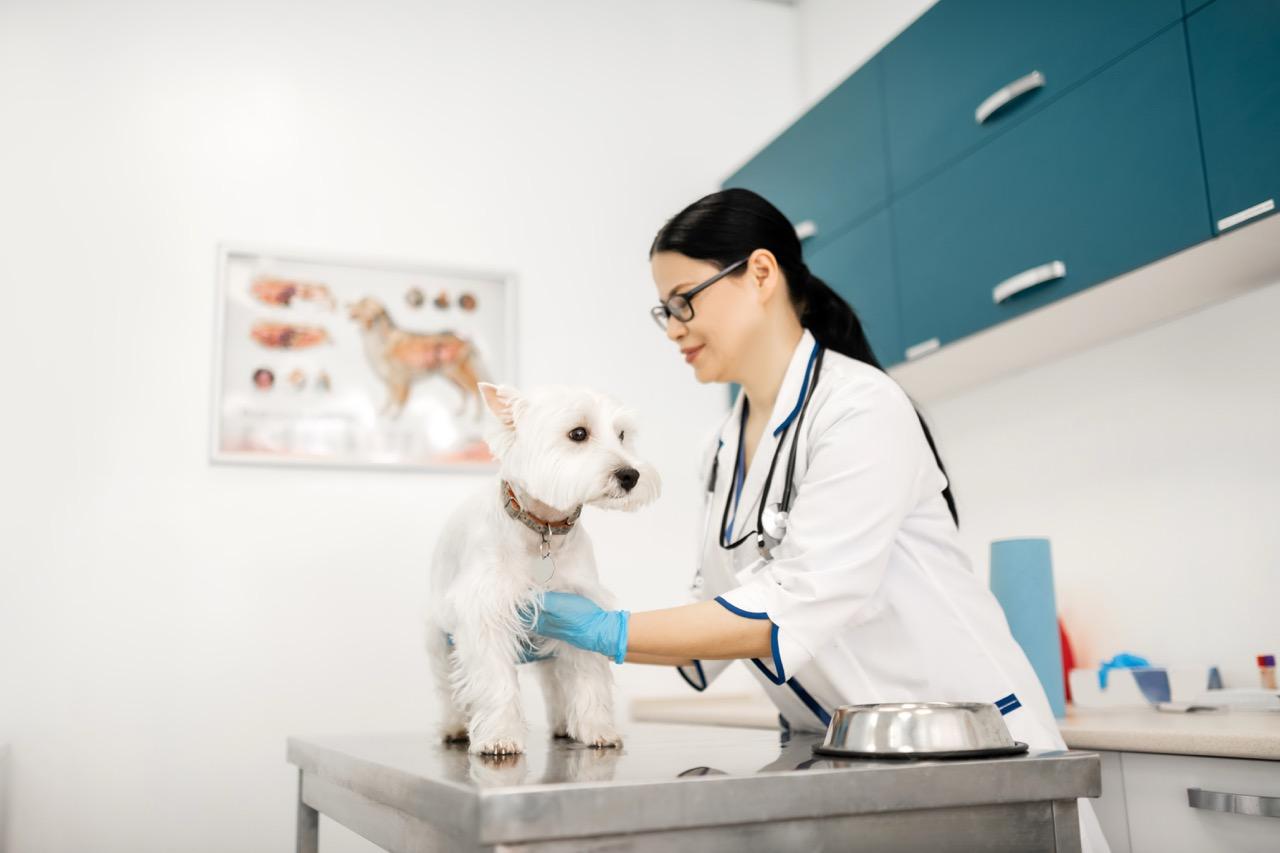
Any licensed veterinarian can perform surgery, but a Board-Certified Veterinary Surgeon does it as their entire focus. After veterinary school, they complete a year-long internship, then a three-year Residency program devoted to surgery, handle a large and demanding caseload, publish original research, and pass rigorous board exams to earn the title Diplomate of the American College of Veterinary Surgeons (ACVS).
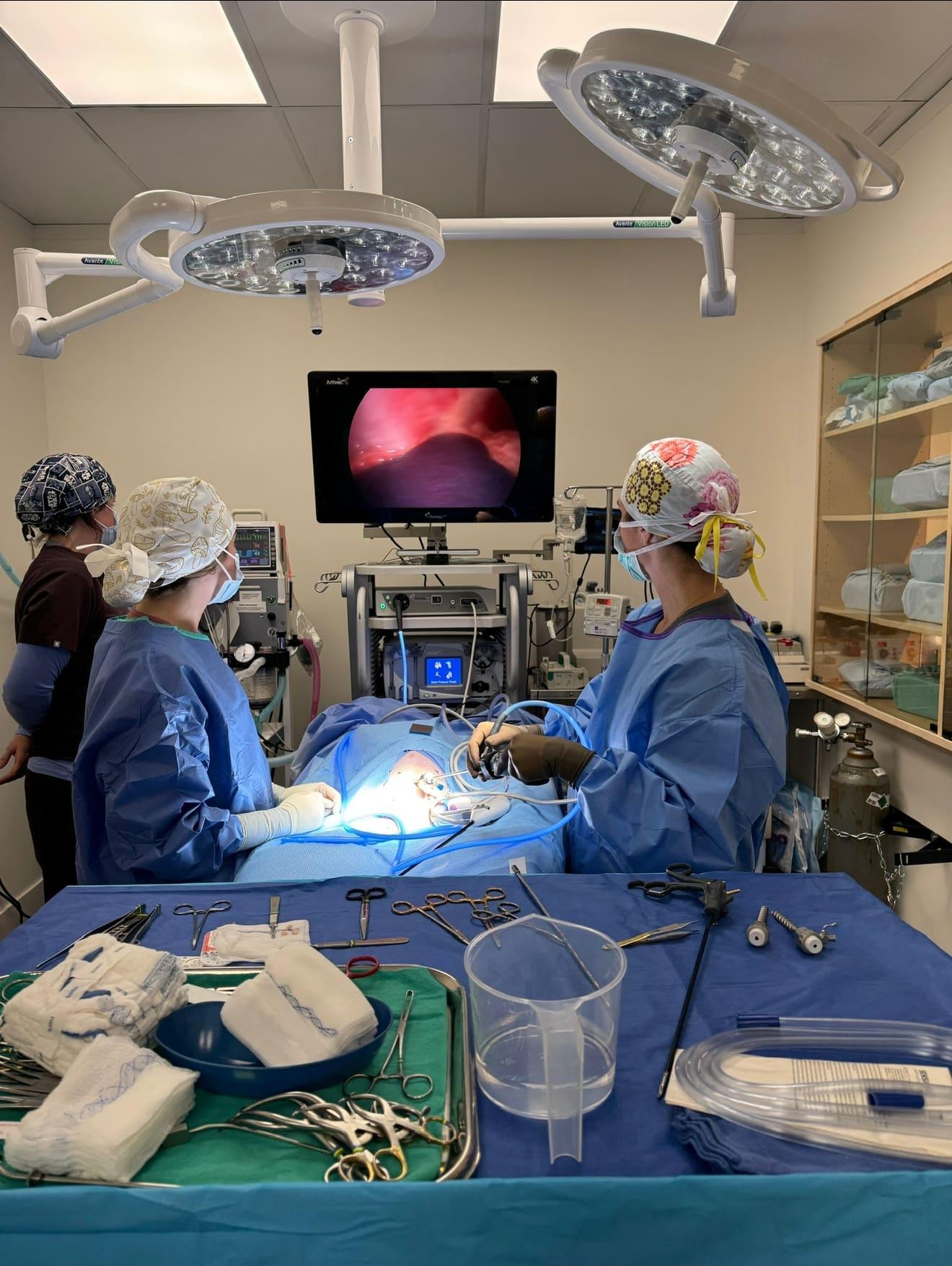
They perform complex orthopedic, soft-tissue, and emergency operations that a general veterinarian refers out, backed by advanced imaging, dedicated surgical suites, and a full team of specialists that can include Board-Certified Anesthesiologists and Radiologists. When an operation needs to go right the first time, this is who your veterinarian turns to.
Why a Board-Certified Veterinary Surgeon Gets You Answers Faster
In human medicine, you would not have just anyone operate on you. It works the same way for pets, and yet most people do not realize a dedicated surgical specialist is an option.
The difference is focus and support. A general veterinarian handles a bit of everything. A Board-Certified Veterinary Surgeon spends years operating and nothing else, with the advanced imaging to see exactly what is going on before making a single incision, and a team of anesthesia and imaging specialists watching over your pet the entire time. That combination is what makes complex and higher-risk procedures safer, and it is why a specialist can often take on a case a general practice would have to refer out. For your pet, that can mean a safer procedure and a smoother recovery.

You're Not Leaving Your Primary Veterinarian
Seeing a specialist doesn't mean starting over. Surgery works as a team. Your primary veterinarian, the surgeon, and you plan the procedure together, and once your pet has healed, your regular veterinarian picks ongoing care back up. We keep them in the loop before and after the operation, so nothing falls through the cracks. It works the same way it does for people. You keep your regular doctor, you just see a surgeon for the procedure.

What Happens at Your First Visit
Your first appointment is a consultation, not the surgery itself. The surgeon examines your pet, reviews any imaging or records from your regular veterinarian, and may recommend x-rays, a CT scan, or other tests to see exactly what is going on. From there you will get a clear picture of the options, what the procedure involves, the risks, and the recovery, so you can make the decision with full information. It helps to bring any records, imaging, and medications from your regular veterinarian.

What It Costs, Up Front
Specialty surgery is a significant investment, and we would rather you know what to expect before anything happens. At your first visit you will get a clear estimate covering the procedure, anesthesia, imaging, and aftercare, and nothing moves forward without your okay. Many pet insurance plans cover surgery, and our team can walk you through payment options if you need them. A procedure done right the first time, by a specialist team, often saves the cost and stress of complications later.



Common Questions About Veterinary Surgery
Has Your Vet Recommended Surgery for Your Pet?
Find a surgery specialist near you.